Growth Strategy
How to Create a Marketing Funnel That Converts
Learn how to create a marketing funnel that attracts the right audience, nurtures leads, improves conversions, and supports business growth.
Brilliant Brains · Oct 23, 2026 · 7 min read
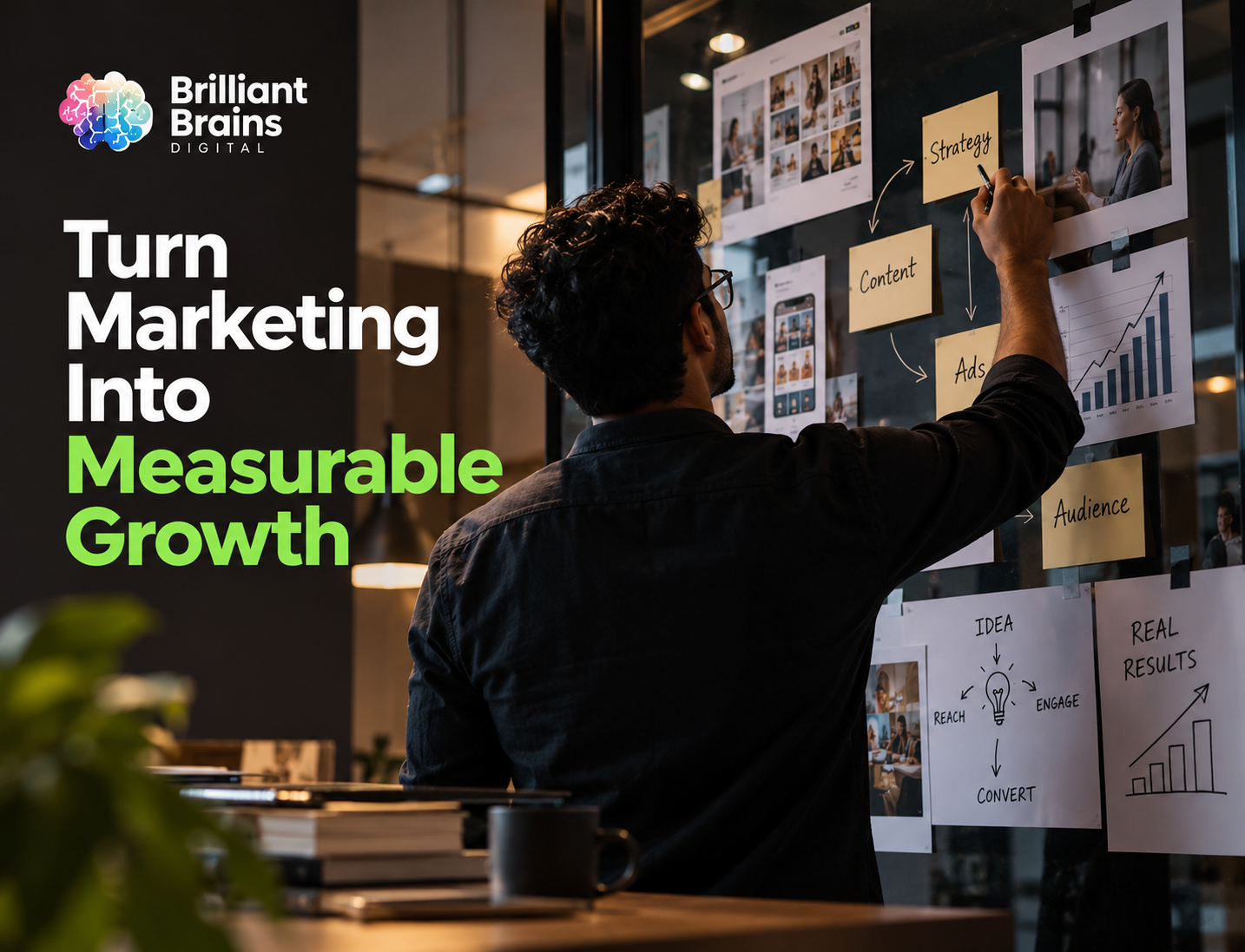
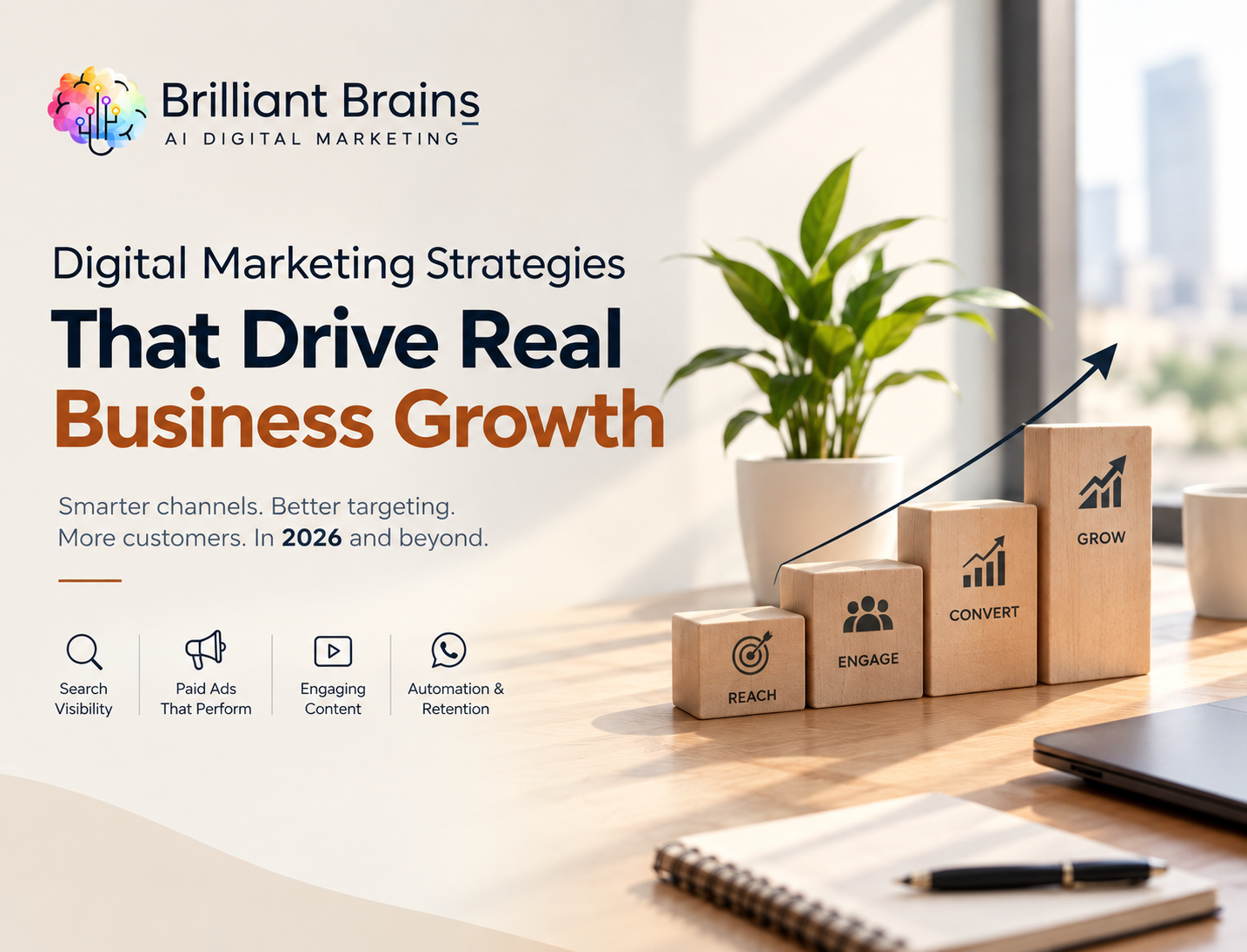
A marketing funnel helps businesses guide potential customers from discovering a brand to making a purchase. Instead of expecting every visitor to convert immediately, it builds awareness, develops trust, and encourages people to take the next step.
A well-planned funnel connects content, advertising, website experiences, and follow-ups to create a smoother customer journey. Here is how businesses can build one that delivers better results.
1. Understand Your Target Audience
Before creating a funnel, identify your ideal customers, their challenges, and what influences their buying decisions. Understanding their needs helps you create relevant messages for each stage of their journey.
Use customer feedback, website analytics, and campaign data to understand what your audience is looking for.
2. Build Awareness With the Right Channels
The first stage introduces your business to potential customers. Search engines, social media, informative blogs, and paid advertisements can help attract relevant audiences.
Focus on providing useful information instead of promoting your products or services in every interaction. Strong digital marketing services combine suitable channels to reach people where they already spend time.
Explore SEO, AEO and GEO services to learn how search visibility can help potential customers discover your business.
3. Turn Interest Into Consideration
Once people know your brand, give them reasons to learn more. Case studies, product demonstrations, customer reviews, comparison guides, and useful landing pages can help answer their questions.
Make sure your content explains the value of your offering clearly. Avoid complicated forms or unnecessary steps that might discourage interested visitors from enquiring.
4. Encourage Conversions With Clear Calls to Action
At the decision stage, make the next step simple. Depending on your business, this could be booking a consultation, requesting a quote, signing up, or completing a purchase.
Use clear calls to action, relevant offers, and mobile-friendly landing pages. Businesses can improve results through website conversion optimisation, which focuses on identifying and reducing barriers that prevent visitors from converting.
5. Follow Up and Nurture Leads
Not every potential customer is ready to buy immediately. Timely email messages, WhatsApp updates, and personalised follow-ups can keep your business relevant while customers evaluate their options.
Marketing automation services can help businesses organise follow-ups, respond to enquiries, and maintain consistent communication without relying entirely on manual tasks.
6. Measure and Improve Funnel Performance
Track how many people move from one stage to the next. Monitor website visits, lead quality, conversion rates, cost per lead, and completed sales.
If many visitors leave a landing page, review its content and usability. If leads do not become customers, examine response times, follow-up quality, and whether the offer meets their needs. Regular testing helps identify what needs improvement.
Build a Funnel That Supports Business Growth
An effective marketing funnel combines audience understanding, relevant content, clear calls to action, and consistent follow-ups. Businesses should treat it as an ongoing process, using performance data to improve each stage rather than focusing only on generating leads.
Brilliant Brains combines AI and human intelligence across digital marketing, search optimisation, automation, and conversion optimisation to help businesses build connected marketing strategies.
Frequently Asked Questions
What is a marketing funnel?
A marketing funnel represents the stages potential customers move through, from discovering a business to considering its offerings and eventually converting.
What are the main stages of a marketing funnel?
The common stages are awareness, consideration, conversion, and retention. Businesses may adapt these stages to their sales process.
How can I improve my funnel conversion rate?
Improve landing pages, clarify calls to action, reduce unnecessary form fields, and test different messages. Analyse where visitors drop off to identify specific problems.
How does automation help a marketing funnel?
Automation helps deliver timely follow-ups, organise leads, send relevant messages, and reduce repetitive tasks throughout the customer journey.
How do I measure marketing funnel success?
Track conversion rates at each stage, qualified leads, cost per acquisition, sales revenue, and customer retention to evaluate overall performance.